The Problem of Treating Homelessness as an Aesthetic Issue
Published in April 2026
Reflecting on my own research work on affordable housing for a local think tank in Malaysia, I realized how much regimes pay attention to looking modern. The term “it doesn’t look good” gets thrown around when discussing social issues. A lot of people hold a gripe some of the older public housing complexes in Kuala Lumpur, not because of how they imagine the living conditions to be, but because they make the neighbourhood look aesthetically “ugly.” Residents in historical urban villages have been evicted or pressured to leave to make way for more modern high rises as asset-based welfare continues to be the norm when it comes to housing. In the developing world, perhaps some try too hard to look modernized instead of focusing on giving people the best possible chance of securing much needed homes. This is not a localized problem; cities across the world face different types of housing challenges, but also different views on what housing should be. Is it a basic human right? Should it be something only worthy people can access? How dignified should the simplest housing be? If we can’t/won’t ensure housing for all, what do we do for/with the homeless? In many cases, officials decide that if the problem is not visible, then there is basically no problem.
#AestheticInjustice #Short-sightedPlanning #HousingFirst #Capitalism #Individualism #Collectivism
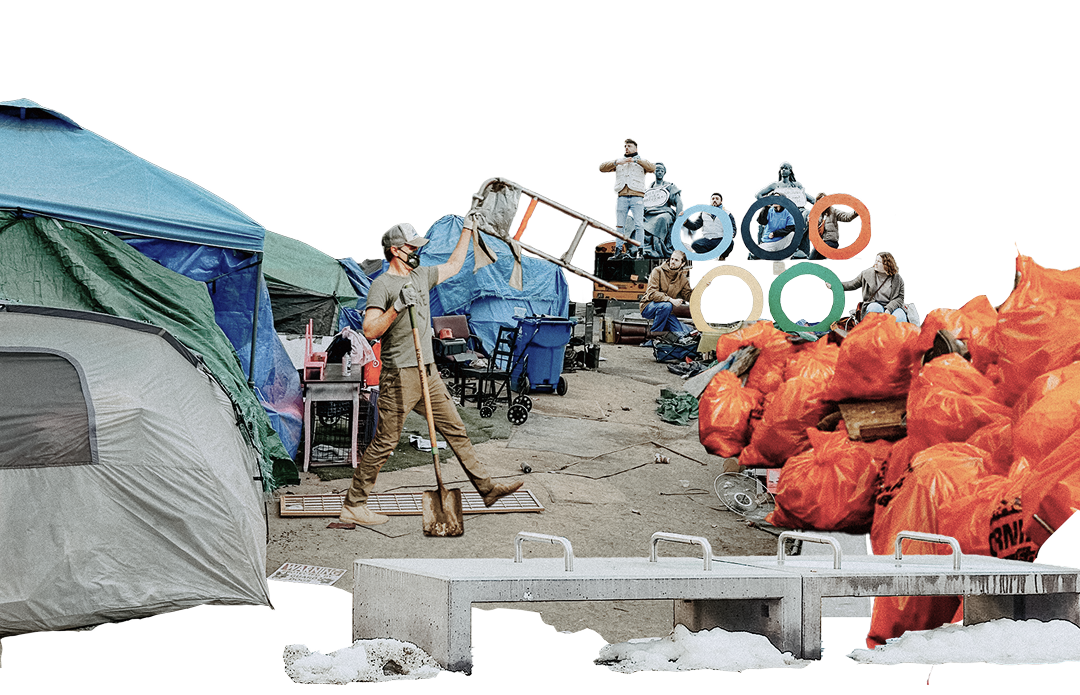
A prosperous city would and should not have a homeless issue is an idea that rings around many people’s heads. To be more specific, a prosperous city would and should not have a VISIBLE homeless issue. Have you ever heard someone who just came back from another city complain that there were many homeless people? Or did they praise somewhere for being super clean and without visible homelessness?
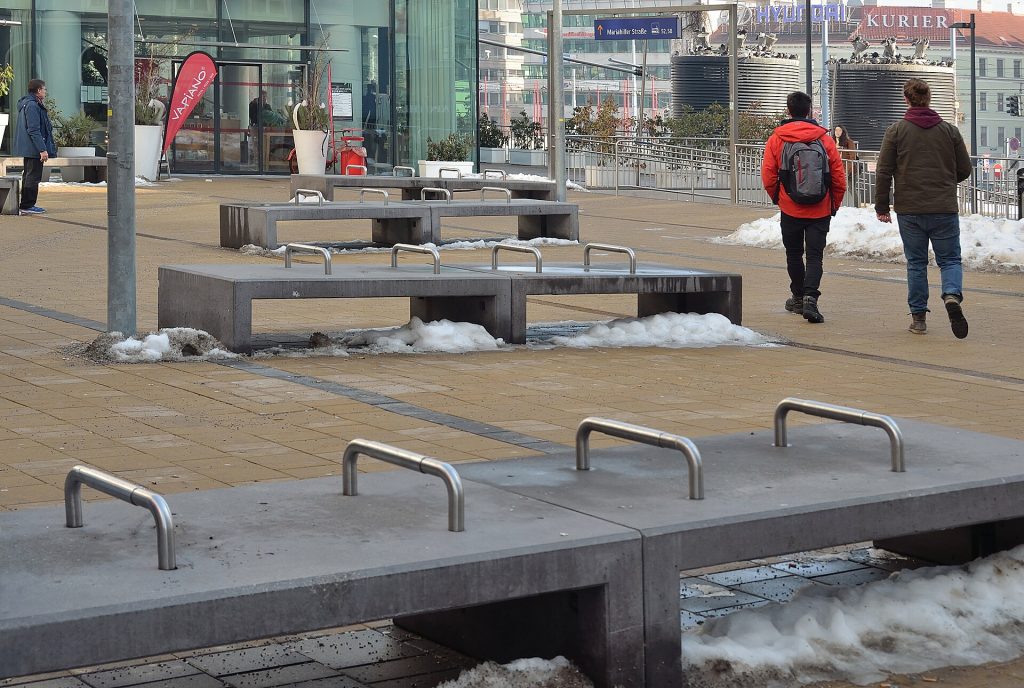
Unfortunately, many people see homelessness as a predominantly aesthetic issue, and that includes policymakers. Solving housing and poverty problems is hard, and it is much easier to make it difficult for homeless individuals to occupy highly visible spaces through strategies like hostile architecture and strict policing. This “out of sight, out of mind” approach does not serve to help the homeless, but to maintain an image of prosperity, especially to visitors. As much as officials would maybe hope for, the population does not simply vanish; they go elsewhere.
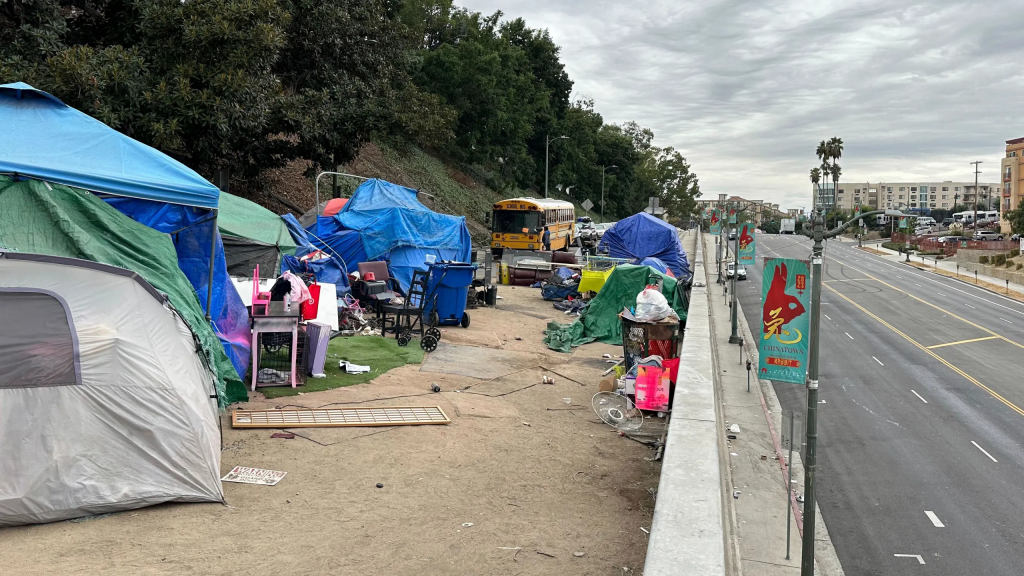
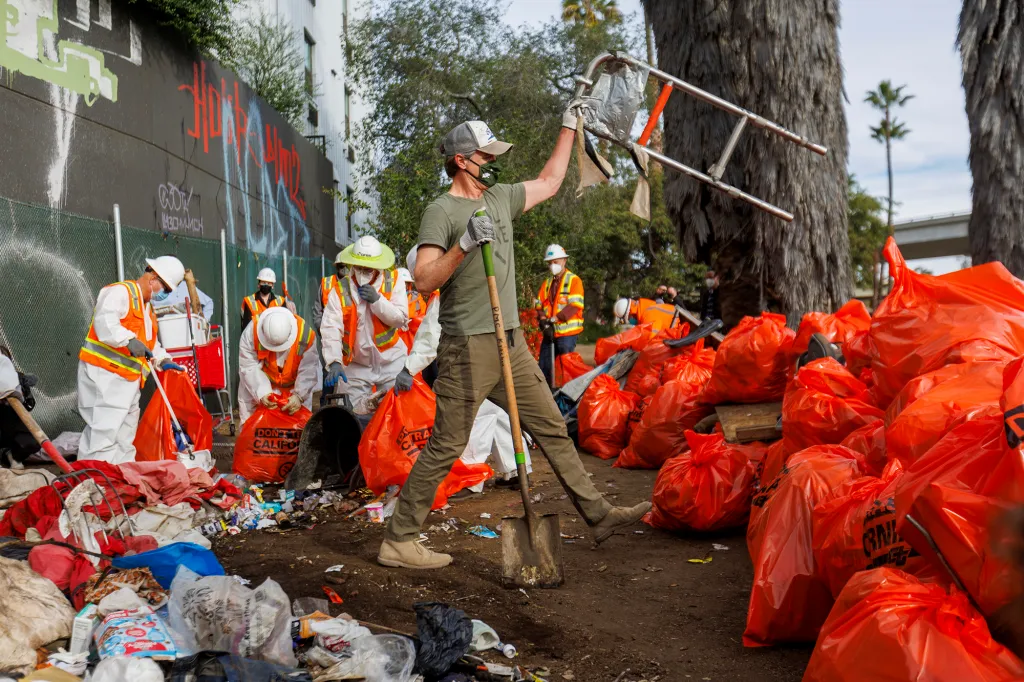
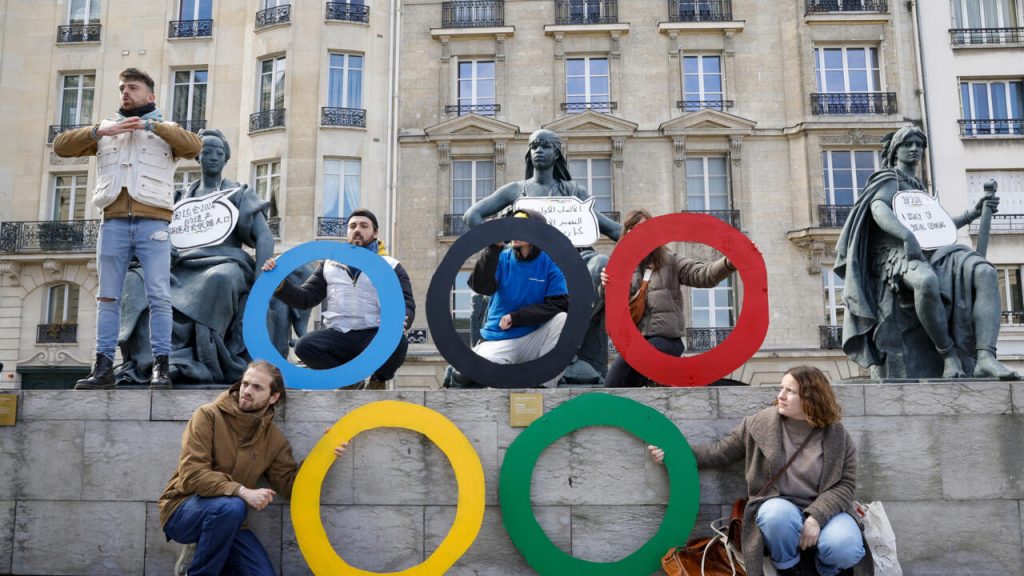
This is particularly evident when a city is expected to host a major event, anticipating the arrival of high volumes of foreign visitors. Paris was accused of “social cleansing” ahead of hosting the 2024 Summer Olympics, where the authorities were sweeping thousands of homeless people out of the city before and during the games. Some suspect they may have been pushed to as far as Brussels [1]. In the USA, a 2024 Supreme Court ruling allowed cities to enforce bans on sleeping in public, effectively granting them the power to displace and relocate homeless populations [2]. Various American cities, particularly those in California, have pledged to clear encampments, removing tents, confiscating personal properties that often leave people with nothing [3].
The justification for such measures often concerns “sanitation”, citing trash and public health risks, “safety” from stopping people from sleeping in dangerous areas such as next to highways [4]. Sometimes, it is simply just to respond to complaints from those who do not want to see them. In addition, a criminalization of homelessness adds a criminal record to individuals who are already having trouble obtaining housing and makes it even harder for them to do so. These draconian measures do not help the homeless change their housing status; they merely remove the population from general sight and could bring both physical and mental harm to a marginalized population.
Treating homelessness as an aesthetic issue is a symptom of shortsightedness and regimes characterized by an emphasis on individualism and capitalistic forces, it perpetuates aesthetic injustice as homeless individuals are seen as undesirable elements of an area that needs to be removed. Criminalizing or further marginalizing the homeless community is to amplify and perpetuate the situation they find themselves in, and to continuously pin them and those around them in a cycle of poverty. Not only does this dehumanize homeless people, but it is a tool to reinforce wealth gaps and income inequality [5]. This reinforces the idea that certain spaces of the city are reserved only for people with a certain level of socioeconomic status and if you’re homeless, you deserve fewer rights to the city than others.
It is also not a problem that is without better solutions, but rather a lack of will. Housing first approaches have made huge changes in the social fabric of certain cities. Housing first alludes to the priority of securing housing for every resident in the country without prejudice towards criminal history, unemployment, drug use etc. [6]. This approach sees housing as the base towards economic and social upwards mobility. Most notably, Finland adopts it as a national policy while cities like Vienna have it as a city-wide initiative [7]. New York City is also widely credited for pioneering the movement through the Pathways Housing First Institute in the 90s [8].
However, this is not all new knowledge, and perhaps a reason it has not been more widely adopted is down to a lack of resources and/or political will. The aesthetic reason reflects the fear of modern cities being associated with homelessness. If nobody sees it, then they will assume it does not exist. Removing homeless communities from highly visible areas also ensures there will be less pressure on authorities to do anything meaningful to uplift them.
With enough pressure, the homeless population in question may simply just move to nearby communities, who may employ similar tactics until they find somewhere that leaves them alone. Some of the concerns of heavy policing of the homeless community include potentially forcing them into dangerous living conditions or unsafe parts of the city. Cities like San Francisco have often directed people to move to shelters but simply do not have enough bed spaces to accommodate all of them, leaving many from the community without any viable alternatives [9].
At the root of the problem, and for people to treat the homeless problem as merely an aesthetic problem, is the triumph of individualism over communal benefits, and productivity over collective rights. It is a view that if someone is not working, no matter the circumstances, they do not deserve help, or some people like to call them “handouts.” It is very easy to look at someone living in rough conditions and blame them for simply not trying hard enough; it helps some everyday people feel better about their own situations.
However, regimes could easily take advantage of this stigma surrounding homelessness to minimize their own responsibilities towards housing people. As long as cities, welfare accessibility, and housing climates are not bearing the blunt of the blame, authorities will not feel the pressure to uplift marginalized communities, including the homeless. The truth is that housing is a very key proponent towards alleviating many existing social ills across the world. By itself, it has limited impact, but by providing housing first, and then with access to social assistance, be it drug rehab programmes, job seeking, childcare services, or anything else; housing first initiatives have been proven to work.
Cities who treat homelessness as an aesthetic issue especially when under the international spotlight want to be visually associated with productivity; unhoused, unemployed people break that illusion. The easy, cheap way of dealing with this is by making that community disappear from sight and clearing where they sleep. It is also a method rooted in short-termism as it does not actually solve anything. A more cynical view is that they do not want a plan to alleviate homelessness because if everyday citizens also see them as a nuisance and someone to look down on, then nobody will hold the inaction officials accountable.
Housing should be a basic human right; in fact, dignified housing should be accessible for all. Individualistic regimes tell us that we have to earn the right to shelter and climb the housing ladder solely through hard work and productivity, but does not take into context the many possible complex situations that drive people into homelessness, nor does it take into consideration the fortunes of children living in the streets. We should always see the issue as homelessness, and not VISIBLE homelessness, only then can we start truly alleviating the problem.