
Contested Spaces: Geographies of Conflict
With the contribution of Giorgia Nada (Nuovo Armenia), Lisa Savi e Marco Monico (Landform Studio) e Federico Baccini (BarBalcani)
Published in June 2026
Urban space is never neutral. It is a battlefield, an instrument of domination, a political technology. At times, it is even a silent weapon.
This text emerges from the screening and discussion series Contested spaces: geographies of conflict, conceived as a collective space for reflection around a question as simple as it is radical: what is the relationship between war, urban space and power?
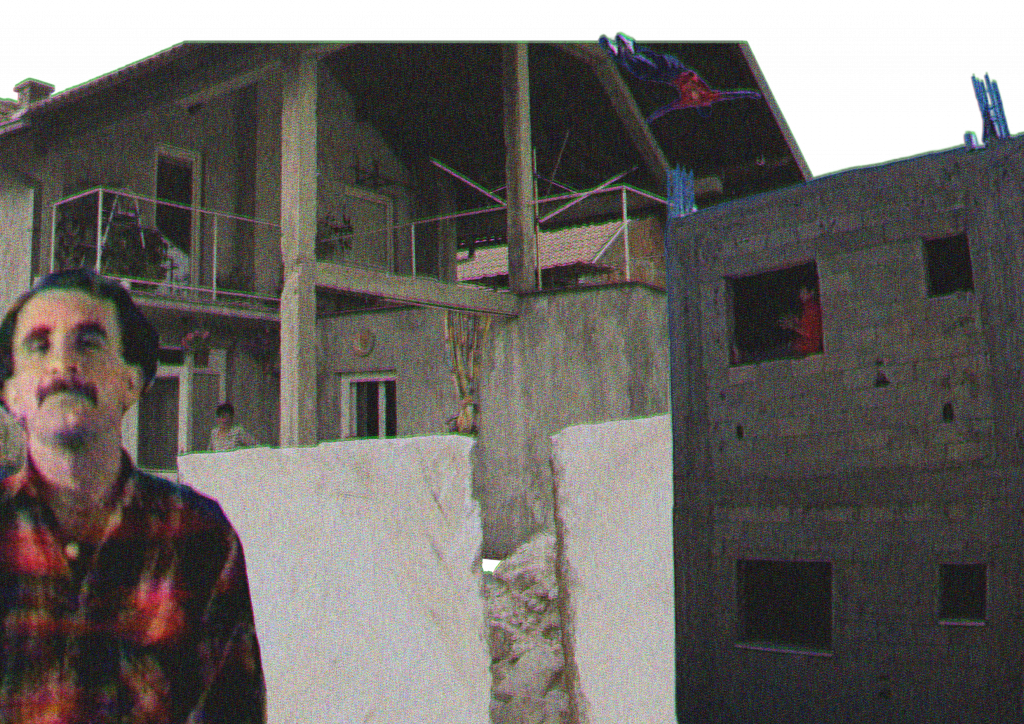
From the beginning, our aim was ambitious: to unpack the visceral connection between cities, conflict and apparatuses of domination. We started from a set of questions that urgently speak to the present. Does war really end with visible destruction? Is it only bombing, rubble, ruins? Or can it also operate through slower, subtler, administrative and apparently ordinary forms? And above all: can spatial planning, so often presented as a neutral technical practice, be understood as the continuation of conflict by other means?
To address these questions, we need to reverse our perspective. Space is not an aseptic scientific object, detached from ideology, power relations and forms of domination. On the contrary, it is a political and strategic chessboard. If it sometimes appears neutral, it is only because power has already occupied, regulated and shaped it through hegemonic strategies whose traces are often difficult to recognise. Space, to borrow Henri Lefebvre’s words, is “a spectacle literally populated by ideology”.
Today, speaking about war is crucial also because, as Francesco Chiodelli (2016) suggests, we are immersed in a form of banal warfare: a progressive and creeping normalisation of the state of war, one that does not only concern military fronts but infiltrates the spaces we inhabit every day. War is no longer merely an exceptional event. It becomes a diffuse condition, a latent possibility, a political infrastructure that shapes territories, imaginaries and bodies.
As young researchers, we feel the responsibility to contribute to a shift in perspective. Not in order to provide definitive answers, but to open up questions, create connections and make visible the ways in which power inscribes itself into space. This screening series was a small step in that direction.
Yet, in order to deconstruct such deeply rooted dynamics, it was necessary to move outside the university – physically and epistemologically. This is why we chose to bring the discussion to Nuovo Armenia. A choice that is, in itself, a statement of intent.
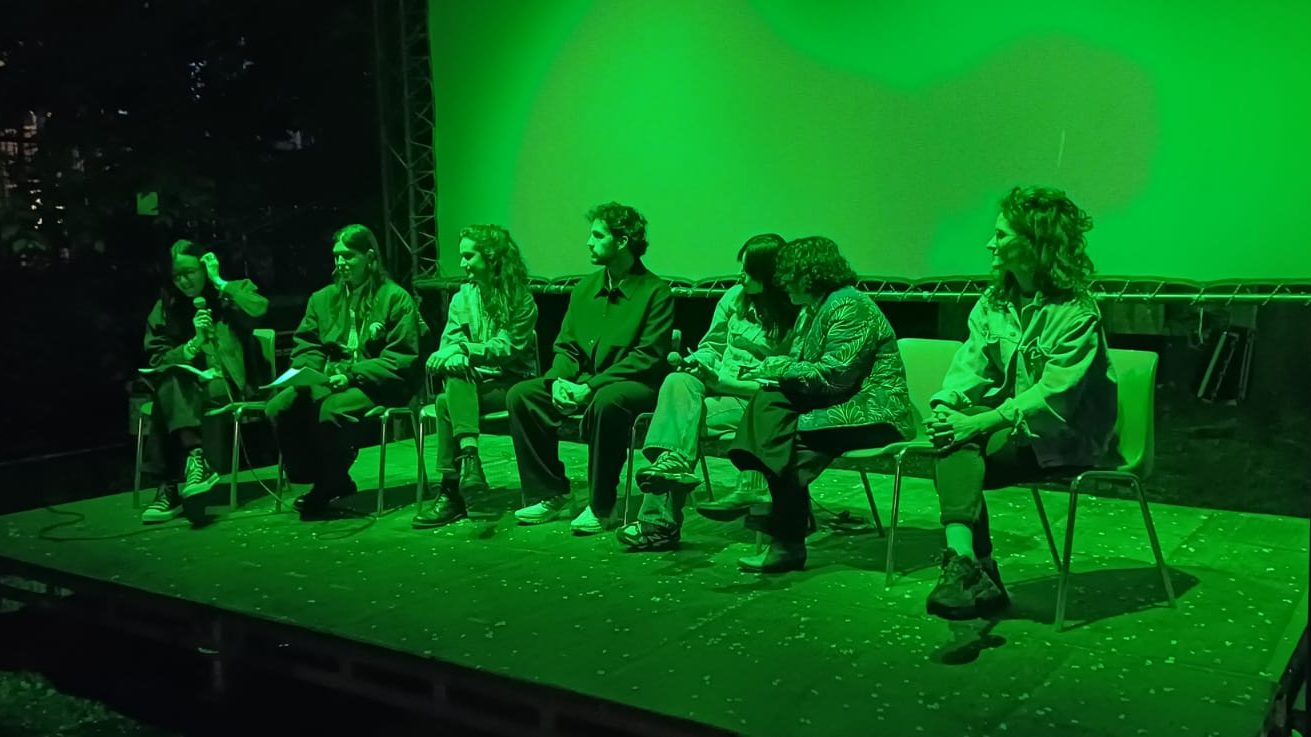
Nuovo Armenia is not simply a cinema. It is a cultural centre, a grassroots urban regeneration project, and a space for encounter and access to culture located in the Dergano district of Milan, inside the former stables of Villa Hanau. As Giorgia Nada, volunteer at Nuovo Armenia and cinema enthusiast, explains:
“Nuovo Armenia is a social association offering a multidisciplinary cultural programme with the aim of broadening perspectives beyond geographical borders, promoting cinema from Asia, Africa and Latin America. The very name of the project preserves a political and cultural genealogy. Nuovo Armenia was born as a tribute to the historic Armenia Films, a film production and distribution company from the silent cinema era, founded in Milan in 1917 by Armenian entrepreneur Johannes H. Zilelian. Since its foundation, the project has positioned itself at the intersection of memory, culture and social transformation, recognising cinema as a tool not only for representing the world, but also for critically questioning it. This dimension is central. Nuovo Armenia is an open-air summer cinema which, after sunset, sheds light on film productions often excluded from mainstream circuits.
She continues:
“Through constant research across international festivals, independent networks and numerous collaborations, its programming challenges the homogenisation of cultural supply. Whenever possible, films are screened in their original language with Italian subtitles, preserving their linguistic, cultural and political complexity. In an audiovisual landscape strongly shaped by major Western cultural industries, the circulation of works from other geographical and political contexts is far from neutral. Independent and neighbourhood cinemas can play a fundamental role in making visible stories, perspectives and imaginaries that rarely find space in mainstream distribution. Programming certain films therefore means asking who produces the images we consume, which stories are made visible, and who holds the power to tell them.”
Starting from this awareness, we selected three documentaries: Yalla Parkour, screened on 7 May; Rule of Stone, screened on 14 May; and I diari di mio padre / My Father’s Diaries, screened on 21 May. Three different films, three geographies of conflict, three ways of questioning the relationship between space and war.
The first film, Yalla Parkour, takes us to Gaza and focuses on the radical destruction of urban space. Here, war takes the form of urbicide: not only the physical demolition of the city, but the destruction of the very conditions that make collective life possible. Homes, streets and infrastructure are destroyed, but so too are relationships, memories, everyday trajectories and future possibilities.
In public narratives, this destruction is often presented as accidental, inevitable, or “collateral”. Yet the film invites us to read the rubble not simply as a consequence of war, but as part of a strategy of territorial and bodily control. The destroyed city becomes a disabled urban body: a space that continues to exist materially, but where life is made increasingly difficult, precarious, almost impossible.
And yet Yalla Parkour does not tell a story of destruction alone. It also tells a story of resistance. Parkour becomes a way of moving through ruins, of temporarily reclaiming devastated space, of transforming walls, debris and urban voids into surfaces of movement. In this sense, the bodies of the young protagonists are not merely bodies wounded by war. They are bodies that insist, jump, cross, and challenge the paralysis imposed by destroyed space.
During the discussion, Lisa Savi and Marco Monico from Landform Studio offered the following reflection:
“Parkour can offer a different way of looking at the city, inviting us to see urban spaces not only as places of passage, but as opportunities for encounter, discovery and relation. Through movement, a space can become a lived and shared place, capable of generating new meanings for those who inhabit it. From this perspective, parkour is not only a sport, but also a way of reading and interpreting the world around us. These themes accompanied the screening of the documentary, which shows how, in Gaza, parkour becomes a tool for keeping alive one’s relationship with the city, for imagining possibilities and constructing belonging even in extremely difficult conditions. It is extraordinary how parkour can create a deep bond with the places we inhabit, and how the motivations that drive people to practise it – the desire to express themselves, to explore, to feel part of a place and a community – can be surprisingly similar even when they emerge from very different contexts and realities.”
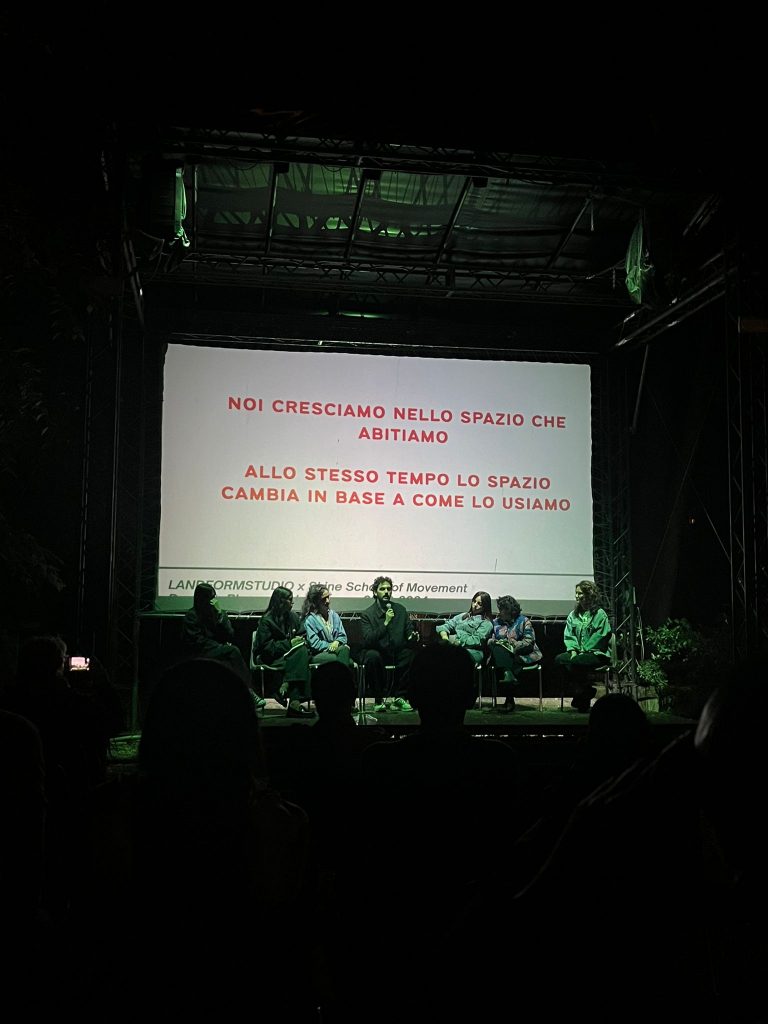
Figure 2. Lisa Savi and Marco Monico, Landform Studio /Yalla Parkour: introduction to the film
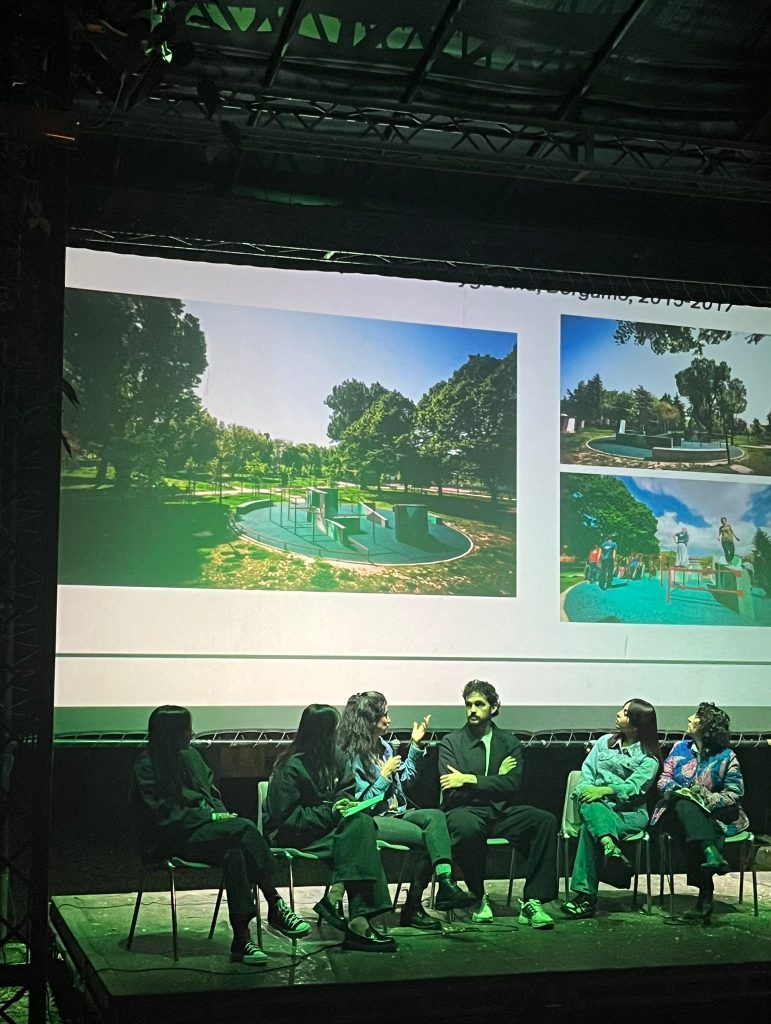
Figure 3. Lisa Savi and Marco Monico, Landform Studio /Yalla Parkour: introduction to the film
With Rule of Stone, we move to Jerusalem, where war takes a less explosive but no less violent form. If in Gaza and the West Bank conflict also manifests itself through the physical destruction of the city, in Jerusalem the battle is often fought without shooting. The urban body is not necessarily demolished. It is modified, regulated, aestheticised, fragmented and incrementally colonised.
Danae Elon’s film powerfully shows how architecture and planning can become instruments of colonial domination. In this case, Jerusalem stone is not merely a building material, but a political device. Covering buildings with a specific kind of stone, imposing an apparently unified urban aesthetic, and producing visual continuity between the biblical past and the present colonial projects of the Israeli state means constructing a spatial narrative of power.
Planning, in this context, does not operate as a neutral technique. It functions as an instrument of selection, separation and hierarchisation. It establishes who can build, where, with which materials, according to which rules, and within which margins of recognisability. It produces pockets of Palestinian territory that are progressively rendered alien, marginal, difficult to inhabit and difficult to recognise as legitimate parts of the city.
During the discussion, Chiodelli insisted precisely on this point: the physical domination of space is a necessary condition for securing political domination over the city. Colonisation does not operate only through the army, but also through ordinary administrative, construction and planning instruments. Planning can support processes of settlement and control through seemingly technical devices: subsidised housing, material regulations, masterplans and infrastructure.
Here, a crucial question emerges for those who deal with cities: the political responsibility of technical practice. Planners cannot always hide behind the language of efficiency, regulation and procedural rationality. To build a city always means to build a hierarchy of visibility, access and belonging. It means deciding which presences are consolidated and which are made fragile, temporary or illegitimate.
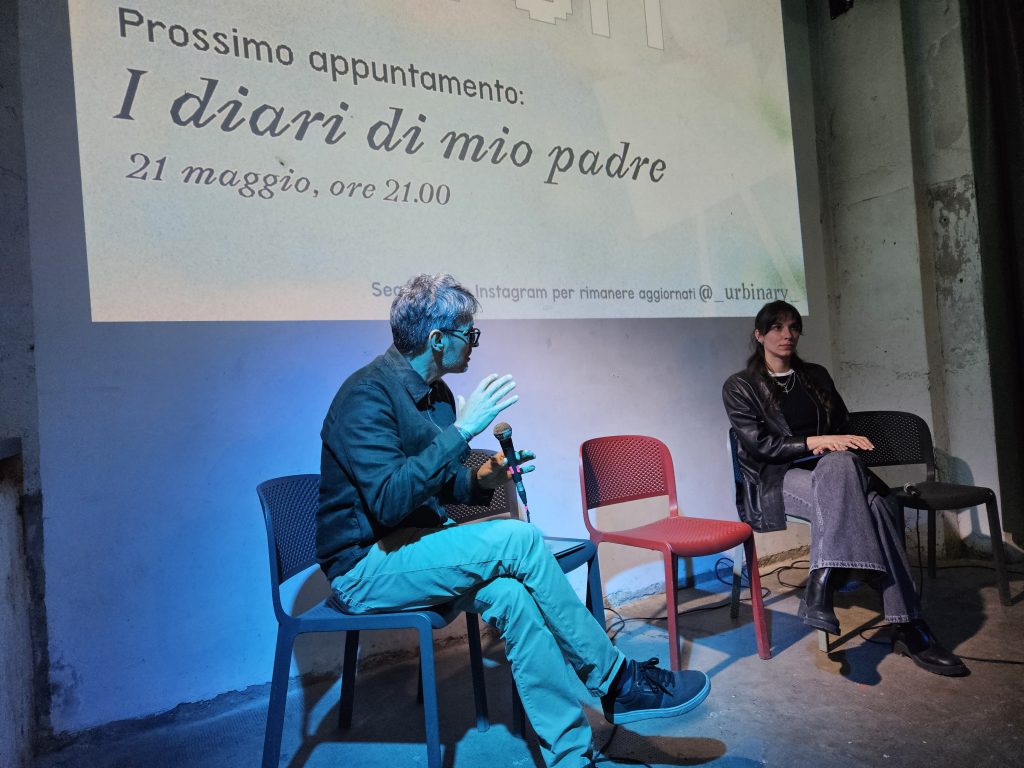
Figure 4. Francesco Chiodelli and Stella De Luca /Rule of Stone: introduction to the film
The third film, I diari di mio padre / My Father’s Diaries by Ado Hasanović, takes us instead to Bosnia and Herzegovina, in the context of the Srebrenica genocide. Here, the relationship between war and space takes yet another form. We are not confronted with the total urban destruction of Gaza, nor with the architectural and symbolic colonisation of Jerusalem. We are immersed in a more silent violence, one that passes through everyday life, bodies, intergenerational memory, waiting and forced displacement.
When speaking about the war in Bosnia, we may recall the destruction of cities, the siege, the bombing, the violent fragmentation of a multi-ethnic society: the urban fabric was wounded because it represented the symbol and material condition of possible coexistence among different groups. Sarajevo, in particular, became the target of a violence aimed not only at buildings, but at the very idea of urban heterogeneity.
And yet My Father’s Diaries allows us to look elsewhere too: towards non-urban spaces, towards mountains, forests and paths. During escape, the mountain is not simply a natural backdrop. It is at once shelter and threat, a space of survival and disorientation, a place of refuge and a landscape filled with fear. As Ado Hasanović says, “I was born in a country that no longer exists.” This sentence captures with painful precision the fracture produced by war: not only the loss of a territory, but the loss of a world.
In the film, war does not manifest itself directly in space. We hardly see urban ruins; we hardly see any explosions. What we see is the suspension of life, the rupture of everydayness, the impossibility of knowing where to go. Running without a clear direction, crossing forests without knowing the destination, inhabiting a landscape that is both shelter and trap: all this shows how war radically transforms the experience of space even when it does not immediately produce visible ruins.
Federico Baccini, freelance journalist writing for Balkan Insight, offered this reading of the film:
“What emerges from My Father’s Diaries is a broader reflection on the memory of the war in Bosnia and Herzegovina as a layered process, in which the family archive becomes a space of both intimate and public reflection. The diaries and footage of Ado Hasanović’s father, Bekir, are not only a testimony, but also a lens through which the memory of Srebrenica is constructed and the trauma of the post-war period is confronted. The documentary thus connects individual experience and collective narrative in Bosnia and Herzegovina, while also going further, opening up a reflection on parallels with the genocide in Gaza.”
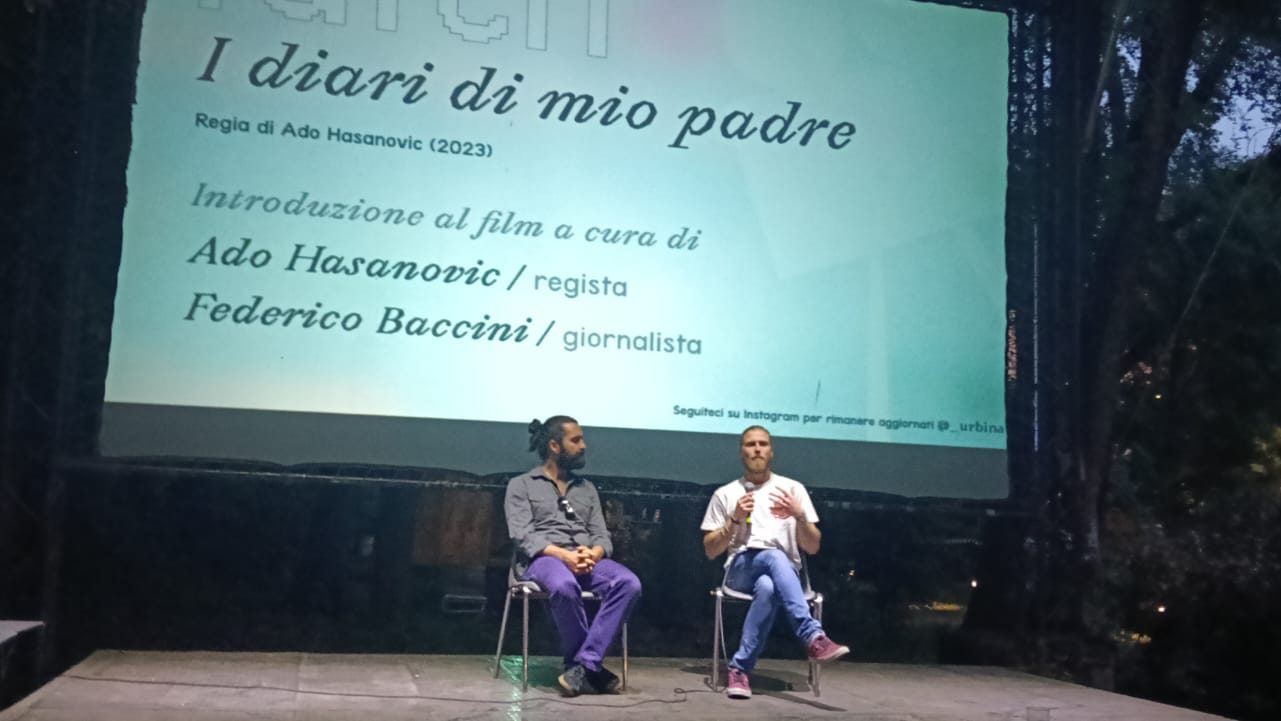
Figure 5. Ado Hasanović and Federico Baccini / My Father’s Diaries: introduction to the film
Viewed together, the three films help us question a widespread tendency: to think of contemporary war only as urbanised war, that is, as war that moves into cities. Certainly, the city is today one of the main theatres of conflict. But these documentaries reveal something more complex. They show that war does not simply enter urban space: it produces it, deforms it, administers it, imagines it, destroys it, or renders it uninhabitable.
In Yalla Parkour, war destroys space by attacking the material conditions of collective life. In Rule of Stone, war operates through planning, architecture and urban aesthetics, transforming the city into a device of domination. In My Father’s Diaries, war inscribes itself into memory, the experience of fleeing, waiting, and the fragile relationship between bodies and landscapes.
This is where cinema becomes a fundamental tool. Film does not merely reflect urban space: it (re)constructs it. It produces a form of virtual urban experience, allowing viewers to move through places, cities and landscapes without being physically present. Cinema selects, emphasises, edits and makes visible. Cinematic cities are never simply realistic: they are symbolic, political and affective images of space.
As Barbara Mennel (2019) observes, cinema contributes to the construction of shared urban imaginaries. Some cities become almost inseparable from their cinematic representations. But this process does not concern only iconic metropolises. It also concerns territories of war, occupation, forced displacement and exile. Through the screen, we learn to read the political dimension of architecture: streets, walls, buildings, ruins and landscapes reveal social hierarchies, exclusions of class, race, gender and citizenship.
Maintream film genres, too, participate in this ideological construction of space. Westerns, as Chiodelli reminded us when introducing one of the screenings, narrated the violent colonisation of the American frontier through the popular imagination, concealing behind the figure of the pioneer the harsher themes of law, domination and territorial appropriation. In the same way, the dystopian metropolises of science fiction do not simply speak about the future; they stage contemporary anxieties linked to capitalism, surveillance and social control.
And yet cinema also possesses a subversive power. Recalling André Bazin’s “myth of total cinema”, Erica Stein (2025) reminds us that the cinematic image carries a strong authority of truth. Urban planning and visual representation are inseparable, because planning a city already means constructing a political image of it. But unlike technocratic models, cinema can capture what remains invisible to data: relationships, emotions, everyday practices of resistance, fear, attachment, loss, and the desire to continue inhabiting a place.
Perhaps this is the deepest meaning of Contested Spaces. We did not watch these films in order to “understand” war from a distance, nor to consume images of suffering. Rather, we watched them to question our own ways of reading space, planning, and power. We watched them to ask what remains invisible when war is narrated only through explosions, and what becomes legible when we learn to observe its slower, more ordinary, and spatial forms.
As Giorgia Nada underlines:
“The choice to screen these films is not only artistic: it is cultural and political. It means asking who produces images, which stories are told, and who has the power to tell them. For a long time, many political, social and cultural realities have been represented mainly through a Western gaze. The colonial gaze tends to interpret peoples, territories and conflicts through external categories, expectations and sensibilities, often unable to convey their reality.
As a result, we come to know Palestinians, Congolese people, Iranians and many other communities mostly through filtered, mediated and sometimes simplified narratives — or worse, exoticised and romanticised ones. This gaze rarely produces a moment of self-criticism or questioning of the dominant Western system, and risks transforming political subjects into objects of observation, depriving them of the possibility of self-representation. The result is the increasing normalisation of colonial dynamics.
Every film from underrepresented contexts broadens the horizon of public debate and offers the opportunity to listen to voices that too often remain silenced. In a time marked by genocides, injustice and inequality, we believe that the circulation of images and narratives is also a practice of cultural citizenship: a way of recognising the plurality of human experiences and imagining more just relations between the peoples, cultures and histories that inhabit our present.”
For this reason, creating spaces where marginalised images, narratives and perspectives can circulate becomes a practice of cultural citizenship. Against the backdrop of genocide, injustice and deep inequality, watching a film may seem like a small gesture. But it is not an innocent one. It can become a way of taking a position, recognising the plurality of human experiences, challenging dominant narratives, and imagining more just relations among the peoples, cultures and histories that inhabit our present.
Urban space is never neutral. Precisely for this reason, it can be questioned, dismantled and narrated differently. Sometimes, all it takes is a glowing screen, on a summer evening, in a neighbourhood cinema.
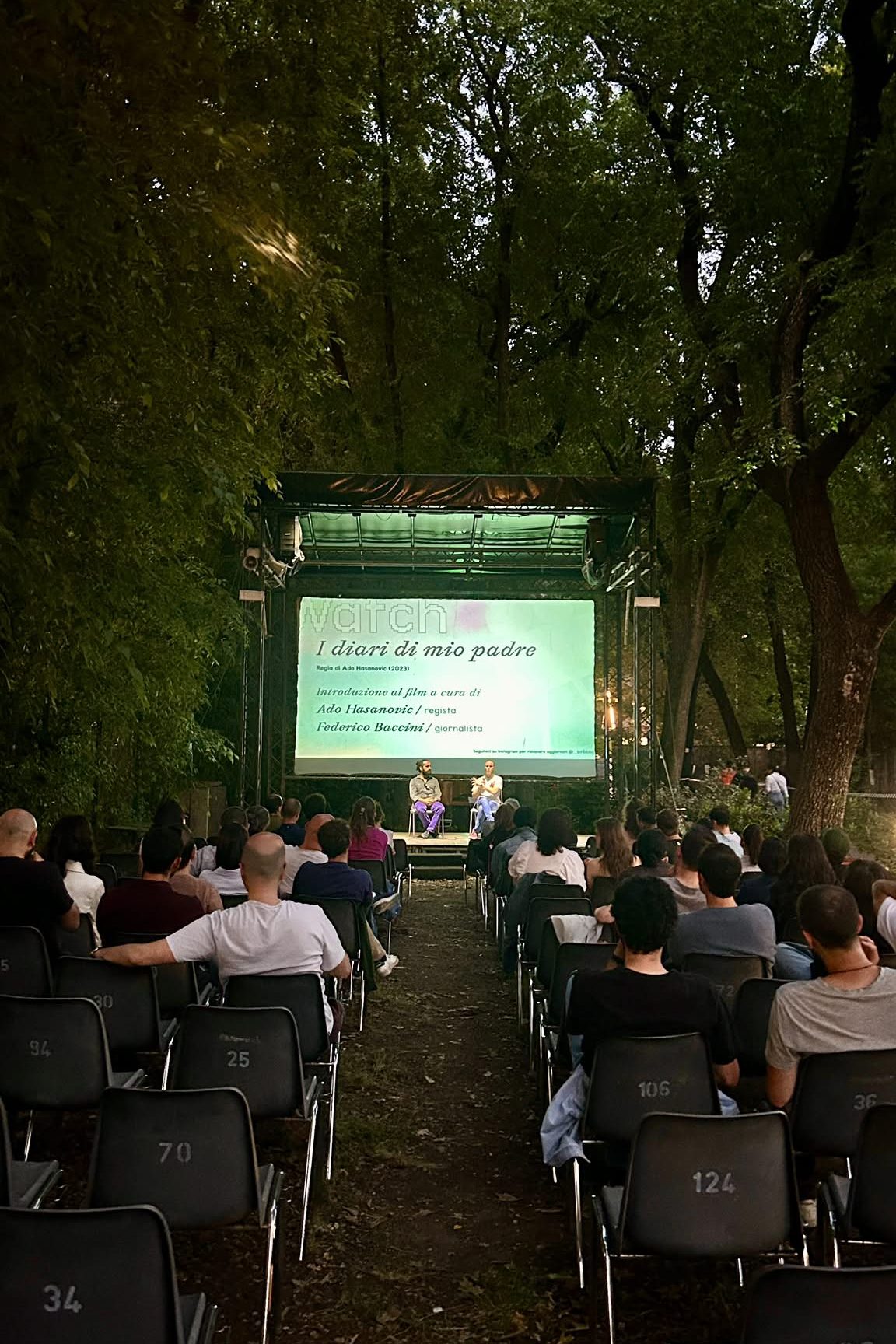
Figure 6. My Father’s Diaries: introduction to the film
Videos
Yalla Parkour: introduction to the film
Rule of Stone: introduction to the film
My Father’s Diaries: introduction to the film
My Father’s Diaries: post-screening discussion